Edit Content
Staffing and Human Resources
We work directly with talented individuals and successful organizations. Career Strategy Consultants recruits, interviews, staffs, and so much more.
Career strategy consultants
FOLLOW US

Author: Career Strategy Consultants

Mastering the Counteroffer: A Career Navigation Guide

In your career journey, one of the most challenging and strategic aspects you may face is dealing with a counteroffer. Whether it comes from your current employer trying to keep you on board or a potential employer improving their initial proposal, counteroffers are a crucial part of the job negotiation process. So, how should you, as the individual on the receiving end, navigate this process to your advantage? Let’s break it down.

What is a Counteroffer?

A counteroffer arises when you’re presented with an improved offer from your current employer after you’ve handed in your resignation, or when you negotiate for better terms with a potential employer. This enhanced proposal can include a higher salary, better benefits, or the promise of a more challenging role or more favorable work conditions.

Effective Strategies for Navigating Counteroffers

  1. Be Prepared

Just like any significant decision in life, preparation is key. Whether you’re contemplating a job change or negotiating terms for a new position, always be prepared for the possibility of a counteroffer. Have a clear idea of your worth, your career goals, and what you’re willing to compromise on. 

  1. Communicate Openly and Honestly

Open and honest communication is paramount when handling a counteroffer. If you’re considering other offers, or if certain conditions of your current job aren’t satisfying, be transparent about these issues. This will not only build trust but also help all parties involved better understand your standpoint and expectations.

  1. Evaluate the Counteroffer Objectively

It’s crucial to assess the counteroffer in an objective manner. This includes considering the financial aspect, but also other elements such as work-life balance, professional growth, and the company culture. Don’t let emotions cloud your judgment.

  1. Seek Professional Advice

If you’re uncertain about the best course of action, it can be helpful to seek advice from mentors, career counselors, or professional networks. These sources can provide invaluable insights and perspectives to help you make an informed decision.

  1. Don’t Rush Your Decision

Remember, accepting a counteroffer is a significant decision that can profoundly impact your career trajectory. Take your time to evaluate the proposal thoroughly. Weigh the pros and cons, consider your long-term career goals, and make sure the offer aligns with them.

  1. Maintain Professionalism

Regardless of your decision, it’s vital to maintain professionalism throughout the process. If you decide to decline the counteroffer, do so in a gracious and respectful manner. This approach helps preserve relationships and leaves the door open for future opportunities.

Conclusion

Navigating counteroffers can be a complex and challenging process, but with the right strategies, it can also be a turning point in your career. Remember, it’s not just about financial gain. It’s about aligning your job with your career aspirations, personal needs, and overall life goals.

By effectively managing counteroffers, you can not only secure better job conditions but also steer your career in the direction that’s right for you.

Understanding Job Seekers: Top Values Sought in Potential Employers

As a leading authority in career guidance and workforce placement, Career Strategy Consultants, Inc. recognizes that understanding job seeker values is crucial in the competitive world of staffing and recruiting. As the job market continues to evolve, so do the expectations of job seekers. In this blog post, we’ll discuss the top factors that job seekers value the most in potential employers.

Cultural Fit and Company Values

In the present-day job market, cultural fit is paramount. Job seekers are increasingly prioritizing the company culture and values over other factors. They want to work in an environment that aligns with their beliefs and lifestyle. This includes aspects like work-life balance, diversity and inclusion, and sustainability efforts. For recruitment agencies, it is essential to accurately represent the culture of the potential employers to attract the right candidates.

Growth Opportunities

With the ever-evolving nature of many industries, job seekers place great importance on opportunities for growth. They seek employers who provide clear career advancement pathways, continuous learning opportunities, and professional development programs. Offering these opportunities not only attracts top talent but also helps to retain them, reducing employee turnover rates.

Competitive Compensation and Benefits

While salary is not the only deciding factor, competitive compensation and benefits packages still play a significant role. These may include health insurance, retirement plans, paid time off, and bonuses. But increasingly, job seekers are looking at non-traditional benefits too, such as flexible working hours, remote working options, wellness programs, and tuition reimbursement.

Job Security

In a world of rapid technological advancements and economic fluctuations, job security is highly valued by job seekers. They are looking for companies with stability and consistent growth, providing them with reassurance that they have a secure future with the company.

Positive Workplace Environment

A positive workplace environment is another crucial factor for job seekers. They want an environment that fosters teamwork, supports employee well-being, and values open communication. Companies that promote a positive work environment are likely to have higher employee satisfaction rates, leading to better productivity and morale.

For staffing and recruiting agencies like ours, understanding these key values of job seekers is paramount. It allows us to better match candidates with potential employers, creating successful and lasting employment relationships. At Career Strategy Consultants, Inc., we are committed to understanding and respecting job seeker values, making us a preferred partner in career development and job placement.

In the competitive landscape of recruitment, standing out as a firm that genuinely understands and caters to these job seeker values can make all the difference. That’s why our mission remains steadfast: to bridge the gap between employers and job seekers, creating meaningful, satisfying, and rewarding career paths.

Keep tuned to our blog for more insights and expert advice in the staffing and recruiting industry.

Current Job Openings Across North America for August 2023

As a leading staffing agency, we are actively recruiting for various full-time opportunities throughout North America this August. Our team of expert recruiters is dedicated to staffing both permanent and contract positions across multiple industries. To learn more about these current job openings and our staffing services, visit our website or reach out to one of our knowledgeable team members today.

ARIZONA

  • Maintenance Manager – Chandler, AZ
  • Production Manager – Chandler, AZ

FLORIDA

GEORGIA

  • Senior Project Engineer – Atlanta, GA (hybrid)
  • Field Project Engineer –
  • Atlanta, GA (hybrid)
  • Maintenance Mechanic – Trenton, GA

INDIANA

  • Industrial Automation Engineer – Elkhart, IN
  • Maintenance Supervisor – Elkhart, IN

KANSAS

  • Floor Assistant – Overland Park, KS

PENNSYLVANIA

  • Accountant – Monaca, PA

TEXAS

  • Industrial Automation Engineer – Sinton, TX


WEST VIRGINIA

  • Medical Technologist – New Martinsville, WV
  • Staff Medical Lab Technologist – New Martinsville, WV
  • Senior Project Engineer – Proctor, WV
  • Process Engineer – Proctor, WV
  • Electrical Maintenance Engineer – Proctor, WV
  • Data Quality Coordinator – Wheeling, WV

Navigating Job Offers Below Your Expectations: A Guide by Career Strategy Consultants, Inc.

As a leading voice in career progression and job market insights, Career Strategy Consultants, Inc. understands the dilemma many professionals face when they receive job offers that don’t meet their expectations. In this article, we’ll provide expert advice on handling job offers below expectations, helping you make informed decisions that align with your career goals.

Understand Your Worth

Before reacting to a job offer that seems below par, it’s crucial to have a clear understanding of your worth in the job market. You can use online tools like Salary.com, Payscale, or Glassdoor to benchmark salaries for similar positions in your industry and region. Remember, your worth is not just defined by your salary, but also by other factors like benefits, work-life balance, and growth opportunities.

Evaluate the Offer

Look at the job offer holistically, considering all aspects such as salary, benefits, professional growth, company culture, job responsibilities, and location. Sometimes, a lower salary might be offset by other perks like flexible work hours, comprehensive health benefits, or a shorter commute. Always ensure you have a complete picture before making a decision.

Consider Negotiation

If the job offer is not up to par but the job aligns perfectly with your career trajectory, consider negotiating the offer. Prepare your arguments ahead of time, highlighting your skills, experience, and market research to back up your negotiation. Remember, negotiating is a standard part of the hiring process and most employers expect it.

Declining Respectfully

If the offer doesn’t meet your expectations even after negotiation, or if you feel the role isn’t the right fit for you, it’s essential to decline the offer respectfully. Maintain professionalism, thank the employer for their time, and leave the door open for future opportunities.

Seek Professional Guidance

Deciding on a job offer can be a complex process. Career Strategy Consultants, Inc. offers expert career advice to help you navigate through these challenging decisions. Reach out to our team for personalized guidance tailored to your career goals.

Remember, a job offer below your expectations does not mean it’s the end of the world. It’s an opportunity to reassess your career goals, understand your worth, and refine your job search or negotiation strategies. At Career Strategy Consultants, Inc., we’re here to support you in your career journey, no matter what challenges you face. For more insights into career strategies, subscribe to our newsletter and follow us on our social media channels.

How Recruiters and Hiring Managers Can Collaborate to Identify Key Skills for Open Roles

As the workforce landscape continues to evolve, so do the demands for the right talent. At Career Strategy Consultants, Inc., we understand the importance of not just finding the right candidate but also the right skillset for your business. In this blog post, we’ll discuss how recruiters can collaborate with hiring managers to identify key skills needed for open roles.

The Role of Recruiters and Hiring Managers

In the recruitment process, both recruiters and hiring managers play significant roles. Recruiters are typically the first point of contact for candidates, sourcing, and screening potential talent. On the other hand, hiring managers are experts in the field, understanding the specifics of the job role and the skills necessary to execute it effectively.

The Importance of Identifying Key Skills for Open Roles

Identifying the key skills needed for open roles is a crucial part of the recruitment process. It helps ensure that the candidate is not only competent but can also contribute significantly to the organization’s growth. Furthermore, it streamlines the recruitment process, saving time and resources by focusing on candidates who meet the essential criteria.

How Recruiters and Hiring Managers Can Collaborate

To effectively identify the key skills needed for an open role, recruiters and hiring managers must work together. Here’s how they can do this:

  1. Role Definition: The hiring manager can provide a detailed explanation of the role, responsibilities, and the skills required to perform the job effectively. This information gives the recruiter a clearer picture of the ideal candidate.
  2. Regular Communication: Recruiters and hiring managers should maintain regular communication to ensure that everyone is on the same page regarding the role’s requirements and the progress of the recruitment process.
  3. Feedback Loop: After initial screenings or interviews, recruiters should share feedback with the hiring manager. This information can help refine the search for candidates and improve the identification of key skills.

Best Practices for Identifying Key Skills

At Career Strategy Consultants, Inc., we follow several best practices to identify key skills for open roles:

  1. Comprehensive Job Analysis: We conduct a thorough job analysis to understand the responsibilities, tasks, and skills required for the role.
  2. Skill Mapping: We map out the skills of potential candidates and compare them with the job requirements to find the best fit.
  3. Use of Technology: We utilize advanced recruitment technology to match candidates’ skills with job requirements, streamlining the recruitment process.

Conclusion

Recruiters and hiring managers working together can significantly improve the recruitment process by effectively identifying key skills for open roles. At Career Strategy Consultants, Inc., we are committed to helping businesses find the right talent with the right skills. Contact us today to learn more about our staffing and recruiting services.

Current Job Openings Across North America for July 2023

As a leading staffing agency, we are actively recruiting for various full-time opportunities throughout North America this July. Our team of expert recruiters is dedicated to staffing both permanent and contract positions across multiple industries. To learn more about these current job openings and our staffing services, visit our website or reach out to one of our knowledgeable team members today.

FLORIDA

GEORGIA

  • Maintenance Mechanic – Trenton, GA

INDIANA

  • Industrial Automation Engineer – Elkhart, IN
  • Maintenance Supervisor – Elkhart, IN

KANSAS

  • Floor Assistant – Overland Park, KS

PENNSYLVANIA

  • PLC and Controls Specialist – Bloomsburg, PA

TENNESSEE

  • Assistant Casting Manager – Carthage, TN
  • Capital Projects Manager – Carthage, TN

WEST VIRGINIA

  • Medical Technologist – New Martinsville, WV
  • Staff Medical Lab Technologist – New Martinsville, WV
  • Senior Project Engineer – Proctor, WV
  • Process Engineer – Proctor, WV
  • Electrical Maintenance Engineer – Proctor, WV
  • Data Quality Coordinator – Wheeling, WV

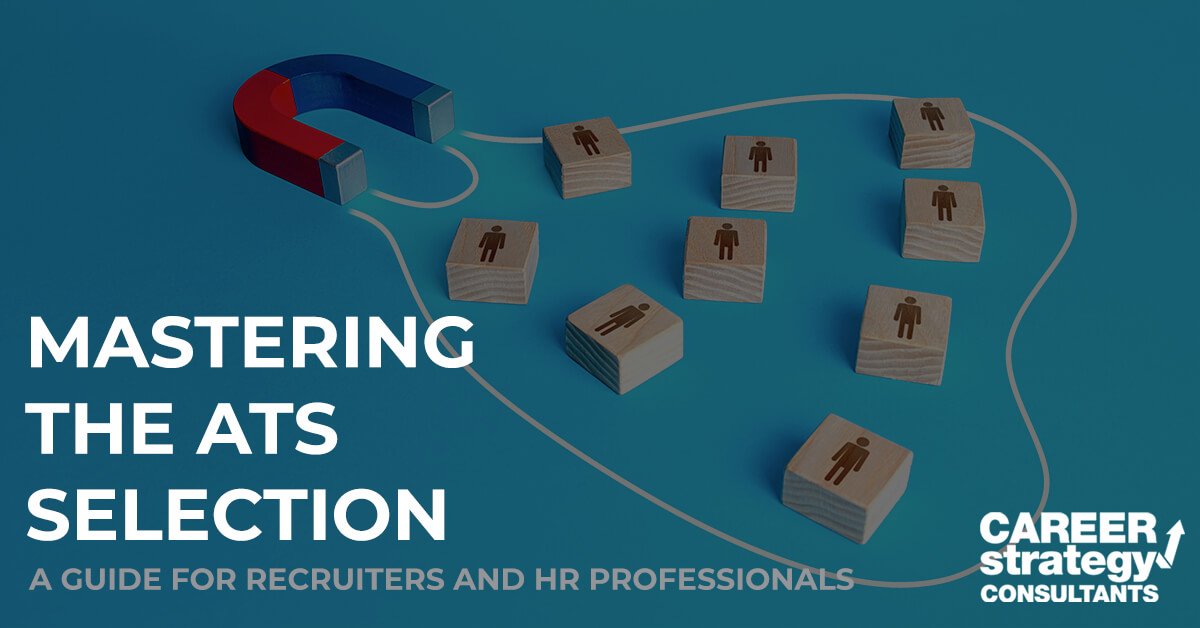
Mastering the ATS Selection: A Guide for Recruiters and HR Professionals

The Applicant Tracking System (ATS) has become an indispensable tool for recruiters and HR professionals in the modern recruitment landscape. With the volume of applicants and the increasing demand for efficiency, an effective ATS can streamline the recruitment process, automate administrative tasks, and enhance the candidate experience. However, choosing the right ATS can be a challenging task given the plethora of options available. In this blog, we’ll delve into what recruiters and HR professionals should seek in an ATS and what pitfalls to avoid.

Understanding Your Recruitment Workflow

The first step in choosing an ATS is understanding your recruitment workflow. The system should align with your processes, not the other way around. Identify your workflow stages and ensure the ATS supports them all, be it job posting, resume parsing, candidate screening, interview scheduling, or communication.

User-friendly Interface

An intuitive and user-friendly ATS is essential. It can minimize the learning curve for new users, reduce errors, and increase productivity. Users should be able to navigate the system easily, and it should be straightforward to perform common tasks.

Mobile Compatibility

In the age of mobile technology, an ATS that is not mobile-friendly can be a significant disadvantage. Candidates often use mobile devices to job hunt, and HR professionals use them for quick access to recruitment data. Look for an ATS that offers a robust mobile experience for both candidates and recruiters.

Integration Capabilities

Your ATS should be able to integrate seamlessly with other HR tools and platforms you’re using, such as HRIS, job boards, social media platforms, and background check providers. This interoperability can streamline your processes and eliminate manual data entry.

Advanced Search and Reporting 

A good ATS will offer advanced search capabilities, allowing recruiters to search the candidate database using various filters and keywords. Moreover, robust reporting and analytics can provide insights into your recruitment process, such as time-to-fill, source of hire, and candidate conversion rates.

Compliance Features

Compliance with labor laws and data privacy regulations is paramount. Your ATS should help maintain compliance by storing candidate data securely, adhering to GDPR and EEOC requirements, and facilitating proper record-keeping.

Pitfalls to Avoid

Skipping the Vendor Demo

It’s crucial to see the ATS in action before making a decision. A vendor demo can give you a real feel of the system, uncover any potential issues, and allow you to ask questions.

Ignoring User Reviews

User reviews can provide valuable insights into the system’s strengths and weaknesses, as well as the vendor’s customer support. They can help you validate your choice or warn you of potential red flags.

Failing to Consider Future Needs

Your company will grow, and your recruitment needs will evolve. Make sure the ATS can scale with your organization and accommodate your future recruitment strategies.

Neglecting Candidate Experience

A complicated or cumbersome application process can deter candidates. Ensure the ATS provides a positive and seamless candidate experience, with easy application submission and communication features.

Choosing the right ATS is a strategic move that can significantly influence your recruitment outcomes. By keeping in mind the considerations and potential pitfalls discussed above, you can select an ATS that is well-suited to your organization’s recruitment needs and can support your recruitment efforts effectively.

Needs Navigating the HRIS Landscape: Key Considerations for HR Professionals

In the rapidly evolving world of human resources (HR), an effective Human Resources Information System (HRIS) is a crucial tool for managing and optimizing HR tasks. As an HR professional, choosing the right HRIS for your organization can be a daunting task, given the multitude of solutions available on the market. In this blog, we’ll explore what HR professionals should look for in an HRIS platform and pitfalls to avoid during the selection process.

Understanding Your Needs

Before diving into the pool of HRIS solutions, it’s paramount to identify and understand your organization’s specific needs. Is your organization focused on recruitment? Performance management? Payroll? Benefits administration? Some platforms might be vital in particular areas but weaker in others. Knowing your priorities will help streamline your search.

User-friendly Interface

An HRIS platform that is intuitive and easy to use will increase user adoption and improve overall productivity. Look for a platform that requires minimal training to operate and offers a pleasant user experience. A complicated or confusing system may frustrate users and lead to lower utilization rates.

Integration Capabilities

HR does not operate in a vacuum. Your HRIS needs to communicate effectively with other systems within your organization. Whether it’s integrating with your current payroll system, time tracking tool, or other enterprise applications, make sure the HRIS can integrate seamlessly and share data accurately.

Scalability

Your HRIS should be able to grow with your company. As your organization expands, the HRIS must be able to accommodate more employees, more data, and potentially more complex operations. Check whether the platform can handle the projected growth of your company without requiring a system overhaul.

Robust Reporting and Analytics

Data-driven decision-making is becoming the norm in HR. An HRIS with robust reporting and analytics can provide valuable insights into employee performance, engagement, retention, and more. Make sure the platform can generate customizable reports that align with your organization’s strategic goals.

Regulatory Compliance

HR is a field riddled with compliance obligations. An ideal HRIS should keep abreast of regulatory changes and assist in maintaining compliance, whether it’s related to labor laws, benefits administration, or data privacy.

Pitfalls to Avoid

Ignoring Employee Feedback

Your employees will be the primary users of the HRIS. Ignoring their feedback during the selection process could lead to a system that doesn’t meet their needs, resulting in poor adoption rates.

Overlooking Hidden Costs

 The price tag of an HRIS platform is not always straightforward. There could be additional costs for implementation, maintenance, upgrades, and training. Be sure to account for these when calculating the total cost of ownership.

Neglecting Vendor Support

A responsive and knowledgeable vendor can make the implementation and ongoing use of an HRIS much smoother. Do not overlook the importance of vendor support when evaluating HRIS platforms.

Overestimating the Importance of Trendy Features

While it’s important to have an HRIS that’s up-to-date with current trends, don’t let flashy features distract you from core functionalities that your organization truly needs.

Closing

Choosing the right HRIS is a strategic decision that can significantly impact your HR operations and overall business performance. By keeping in mind the points mentioned above, you’ll be better equipped to make an informed choice that aligns with your organization’s needs and goals.

Do You 1099 or W2 an Employee? Know the Differences for Your Staffing and Recruiting Needs

Every business owner understands the critical role that employees play in the success of their companies. However, how you classify and compensate your workers is just as crucial. When hiring, the question often arises: should you 1099 or W2 an employee?

In this blog post, we’ll guide you through when employers should use 1099 instead of W2, and vice versa. We’ll also outline the pros and cons of both options to help you make the most informed decision. We aim to aid staffing and recruiting firms like yours to get the maximum advantage from the workforce you have in place.

1099 vs. W2: An Overview

The IRS uses forms 1099 and W2 to track income earned by workers. They are not interchangeable, and the form you should use depends on the worker’s classification: independent contractor (1099) or employee (W2).

When to use a 1099

A 1099 form is typically used for independent contractors. These are self-employed individuals who provide a specific service for a company, but they control how they perform their work.

You should use a 1099 when:

  • The worker provides their tools and resources to complete their work.
  • The worker has the freedom to decide how, when, and where to carry out their job.
  • The worker is hired for a specific project or for a limited time.
  • The worker offers the same service to other companies.

When to use a W2

On the other hand, a W2 form is used for employees. Employees have less control over their work and are subject to their employer’s business policies.

You should use a W2 when:

  • The employer has control over how, when, and where the worker performs their tasks.
  • The employer provides the necessary tools and resources for the worker.
  • The worker is an integral part of the organization’s operations.
  • The employment relationship is expected to continue indefinitely.

Pros and Cons

Now that we’ve established when to use 1099 or W2, let’s delve into the pros and cons of each.

Pros of 1099

  • Flexibility: 1099 workers offer greater flexibility as they can be hired for specific projects or periods.
  • Reduced Overhead Costs: Employers are not obligated to provide benefits like health insurance, retirement contributions, or paid time off to 1099 workers.
  • Less Tax Burden: Employers do not have to withhold taxes for 1099 workers.

Cons of 1099

  • Less Control: Employers have less control over the work performed by independent contractors.
  • Potential for Misclassification: Misclassifying an employee as a contractor can lead to penalties from the IRS.
  • Turnover: Contractors can leave at any time, leading to higher turnover rates.

Pros of W2

  • Control: Employers have full control over the work performed by W2 employees.
  • Continuity: W2 employees tend to stay longer with companies, ensuring continuity and stability.
  • Tax Withholding: Employers manage tax withholdings for W2 employees, reducing the employee’s tax-related tasks.

Cons of W2

  • Higher Costs: Employers must provide benefits and pay payroll taxes for W2 employees.
  • Less Flexibility: W2 employees usually work set schedules and cannot easily be hired or let go based on fluctuating business needs.

Navigating the 1099 and W2 landscape can be complex, but the right choice can significantly impact your business. At our staffing and recruiting firm, we understand these challenges. We’re here to guide you through these decisions and find the perfect fit for your needs.

Join the conversation below by leaving a comment or question, and don’t forget to share this post if you found it helpful. And of course, feel free to contact us directly for personalized assistance with your staffing and recruiting needs. Remember, it’s not just about finding people to fill positions; it’s about finding the right people for the right positions.

This blog post is intended to provide generalized guidance and does not constitute legal advice. Always consult with a legal or tax professional for specific concerns.

Current Job Openings Across North America for June 2023

As a leading staffing agency, we are actively recruiting for various full-time opportunities throughout North America this June. Our team of expert recruiters is dedicated to staffing both permanent and contract positions across multiple industries. To learn more about these current job openings and our staffing services, visit our website or reach out to one of our knowledgeable team members today.

FLORIDA

  • Maintenance Technician – Orlando, FL
  • Public Engagement Specialist – Gainesville, FL
  • Public Engagement Specialist – Ocala, FL
  • Public Engagement Specialist – Sumner, FL
  • Public Engagement Specialist – Tampa, FL

GEORGIA

  • Maintenance Mechanic – Trenton, GA
  • Reliability & Maintenance Manager – Newnan, GA
  • Controls Engineer – Newnan, GA
  • Senior Electrical Engineer – Peachtree City, GA

INDIANA

  • Industrial Automation Engineer – Elkhart, IN
  • Maintenance Supervisor – Elkhart, IN

KANSAS

  • Floor Assistant – Overland Park, KS

PENNSYLVANIA

  • Accountant – Remote

TENNESSEE

  • Assistant Casting Manager – Carthage, TN


WEST VIRGINIA

  • Medical Technologist – New Martinsville, WV
  • Staff Medical Lab Technologist – New Martinsville, WV
  • Senior Project Engineer – Proctor, WV
  • Process Engineer – Proctor, WV
  • Electrical Maintenance Engineer – Proctor, WV
  • Data Quality Coordinator – Wheeling, WV